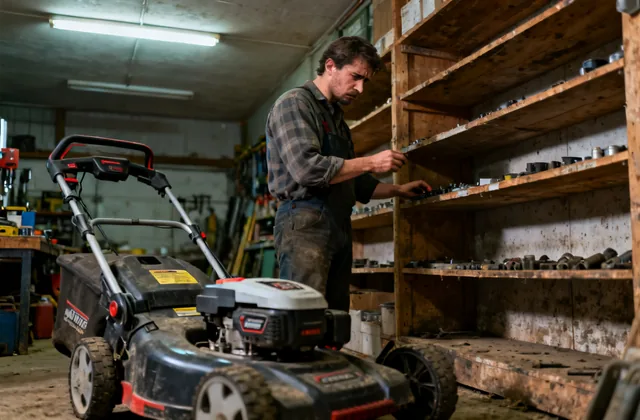
Peak-week failures idle decks and chainsaws while crews wait on unplanned reorders and unclear dealer tickets.
Field Service Plan
Peak-week failures idle decks and chainsaws while crews wait on unplanned reorders and unclear dealer tickets.
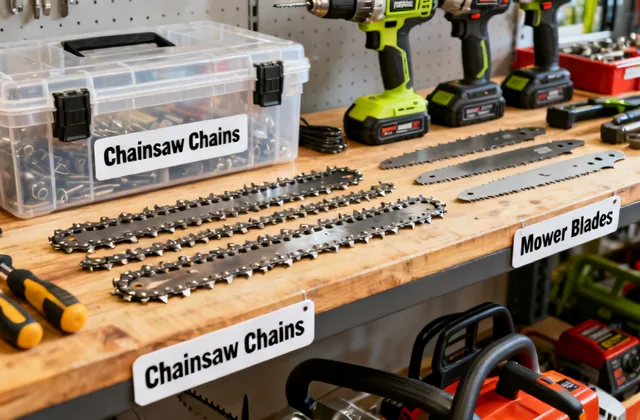
Commissioning checklists, 48-hour priority parts windows, and mid-season inspections keep routes moving through mowing and pruning peaks.
Estimate productive hours retained when wear parts are staged before the season. Adjust weekly field hours and expected parts events to see the coverage impact.
40 productive field hours retained with planned parts staging
What the Plan Covers
The Field Service Plan is written for growers and grounds managers who cannot afford idle decks during peak mowing or stalled chainsaws during orchard prune weeks. Coverage begins with a commissioning visit that logs serial numbers, cutting widths, bar lengths, sprayer seal conditions, and charger placement. Next, we stage wear-part kits sized to your weekly acreage and expected parts events, prioritizing chains, blades, filters, baggers, and wand seals that historically stop a route. During the season, priority response targets keep covered items moving inside a 48-hour window while standard restock remains on a five-business-day path. Mid-season inspections re-check blade torque, chain tension, spray drift control nozzles, and battery health so small issues do not cascade into missed livestock yard or nursery blocks. Every ticket carries model, hours, and dealer notes so escalation stays factual when GLOBALG.A.P. or export buyers ask for maintenance trails.
Verification is practical, not theatrical: dealers can repeat the commissioning checklist on a wet farm lane with a 21–42 inch deck, time a chain swap against the staged kit list, and confirm wand seals before a fertigation-adjacent spot spray. Coverage Area is planned in hectares or acres against weekly productive hours; Tank Capacity for backpack sprayers stays near the 4 gallon class unless the RFQ states otherwise. Since the 2023 peak-season desk update, enrolled fleets must list concurrent morning starts so charger layout advice matches real 56V pool demand.
Coverage Outcomes
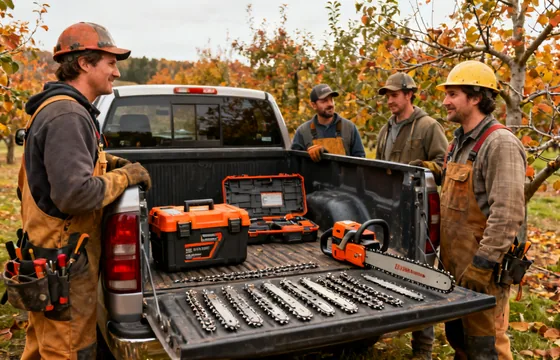
Staging three chain kits per saw cut unplanned bench time from roughly 6 hours to under 90 minutes across a two-week prune.
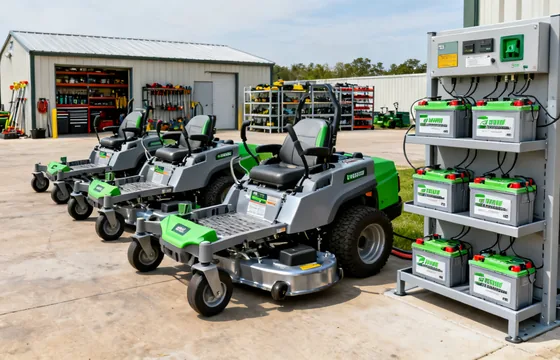
Commissioning mapped charger circuits and pack counts so morning starts no longer queued behind a single 20-amp bay.

Seal and nozzle kits under the 48-hour window kept fertigation-adjacent spot sprays on schedule during humid weeks.
Book Coverage
Tell us models, acreage, and peak weeks. We return a Field Service Plan with kit lists, response windows, and dealer handoff steps.